How to Plan a School Prospectus Shoot in Brighton & Sussex
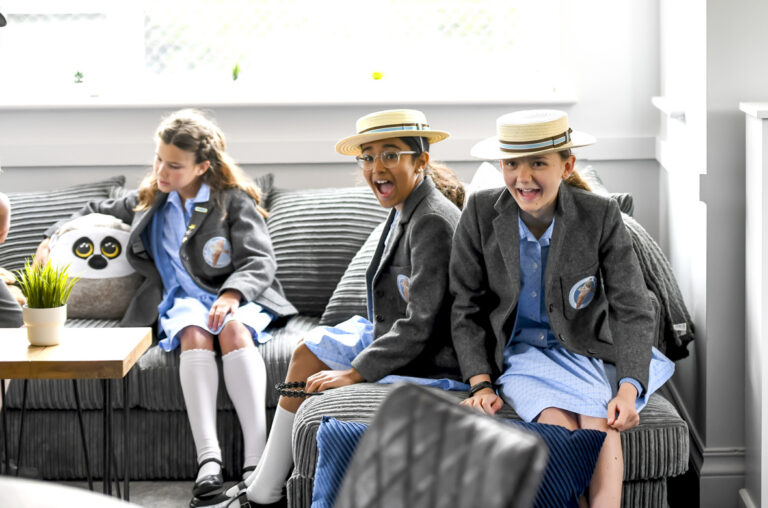
I’m a school prospectus photographer based in Sussex, working with independent and prep schools across Brighton and the wider South East — including Brighton College, LVS Hassocks, Worth, Eton End Prep. Prospectus and website shoots make up a significant part of my work, and after years of photographing schools across Sussex and Brighton, the difference between a shoot that delivers and one that doesn’t almost always comes down to how well it’s been planned.
This guide covers the practical side of how I approach a prospectus shoot. If you’d like to talk about a shoot rather than read the guide first, feel free to get in touch.
For most independent schools, your prospectus and website do a lot of heavy lifting. They’re often the first real introduction a family has to your school, long before they visit in person. I see every day how much those first impressions matter. Strong photography helps parents picture their child at your school. It’s not about overthinking every detail, but knowing what you want to show and how the day will run.
Where Prospectus Shoots can Go Wrong
A common issue is trying to do too much in too little time. Occasionally I see a shoot packed with similar lessons one after another. On paper it looks like we’re getting a lot covered but in reality the images can all start to look very samey, and you’re risking swapping quality for quantity. Little practical things can also catch people out: uniforms not quite right, missing kit or props, lab coats not ready, or the same pupils appearing again and again. It’s all fixable, but it eats into precious time on the day.
Timings can have a big impact too. If teachers aren’t sure when we’re coming or don’t have something prepared, we can spend half the slot getting organised instead of actually shooting useful images. And of course, the good old British weather can easily derail an outdoor session. Without a simple backup option, those shots can get lost altogether.
What the Planning Involves
Most schools send a draft schedule first, and we work through it together. Sometimes it’s a short call, sometimes just a few emails. I’ll flag what looks good, what might be tight, and suggest small tweaks to make things run more smoothly before the day.
Simple details make a real difference:
- Allowing proper time to move between locations
- Being aware of lesson changeovers
- Making sure rooms are ready to shoot
- Varying pupil combinations so the set doesn’t look repetitive
A clear shot list also helps. We don’t stick to it rigidly, but it keeps things on track when the day moves quickly. A lot of the best results come from common sense on the day — moving bins, bags and coats out of sight, setting up something visually interesting in a lesson, and giving pupils something to do so it feels natural rather than staged.
A School Prospectus Shoot in Practice — Eton End Prep School
A shoot at Eton End Prep School for the launch of their new therapeutic classrooms is a good example of how it all comes together on the day. Even with a packed schedule and a film crew on-site, everything ran smoothly because a lot of the groundwork had been done in advance. The school involved both me and the videographer early on. We decided together how the day would flow, then fine tuned it again on the morning of the shoot. That meant I could capture genuine reactions while pupils experienced the new space, then step aside during filming so we weren’t in each other’s way.
We covered a lot: reactions, classrooms, interactions, wider school life, and some sport, all without feeling rushed. By the end of the day, the school had a strong range of images ready for their press launch, website and prospectus, and a great video. I take the same approach for every project, whether it’s in Brighton, Sussex or further afield. Good planning always makes the difference.
The feedback from the Head of School Marketing on that shoot was typical of what good planning produces: “They are fabulous — the light makes the space look amazing.” “Such great variety, loads we can use across all our marketing.” “You really captured the feel of the school.”
Getting the light Right
For me I always lean towards natural images rather than staged ones. That doesn’t mean leaving everything to chance, it’s about creating the right conditions for genuine moments to happen. A good science experiment gives far better reactions than telling pupils to “look interested.” Putting the right pupils together encourages natural interaction, and interesting spaces or props help bring an image to life.
If you just ask pupils to chat, it often looks awkward. Give them a task or an activity, and it immediately feels more authentic.
Deciding What to Shoot
Not every subject will produce strong images, and that’s fine. Part of it is being realistic about what’s most visual. Practical subjects, sport, creative lessons, and anything with movement or interaction tend to photograph well. For less visual subjects, it’s about finding different angles or setups rather than just repeating the same scene. I’ll sometimes suggest adjustments if something doesn’t seem likely to work, but I’m always open to trying ideas — some of the best shots are the unexpected ones.
What You Get at the End
When a shoot is properly thought through, it shows right away in the final gallery. You’ll have strong images from every key area, but also enough variation to make the set genuinely useful. A good mix of pupils, lessons and image types means you’re not relying on the same couple of shots across everything. Schools will end up with a versatile image library they can use for years — for prospectus, website, press, social media and admissions. It all joins up, making life easier for the school marketing team.
A school prospectus shoot doesn’t need to be complicated, but it does need proper planning. The schools that get the best results see it as part of their wider marketing strategy, not just a day to get through.
If you’re looking for a school prospectus photographer in Sussex or Brighton, getting things right from the start makes all the difference. The images you create will represent your school for years to come. View my School Marketing Portfolio or get in touch to discuss your school’s requirements.