Behind The Shoot: Planning Commercial Photography Around A Company's Marketing Needs
Not every commercial photography shoot takes place in a controlled studio environment. Many happen inside a live, working business, with people carrying on with their day around you and everything from the available time to the office layout affecting what is possible on the day. Getting it right means understanding the mechanics of the shoot itself: what needs lighting, in what order, and how a business will use the images once they’re delivered.
Understanding the brief before the shoot
One of the things I still enjoy about commercial photography, after all these years, is that every business needs something different. There’s no template that works for everyone. The starting point is always the same question: what do these photographs need to achieve, and who are they for?
Take a technology company looking to refresh their staff and workplace photography as an example. In this case the audience included existing customers, potential customers and future employees, so the images need to work hard across very different types of content, from website pages to presentations to marketing materials. A brief like that tends to cover a lot of ground: staff working in the office, team interactions, meetings and collaboration, social moments in shared spaces, technology in use, environmental shots of the workplace itself, and a proper set of individual portraits and team photographs.
There’s usually a design element to think about too, before I’ve even picked up the camera. Some images are destined for website banners and page layouts where text will sit alongside the photography, so I always spend time beforehand looking at a client’s existing site and marketing materials to understand how the images will be placed and used. That means thinking about composition before I’ve arrived on site. Sometimes it means leaving space in the frame for copy to sit later, positioning people carefully within the environment, or deliberately shooting wider so the images can be cropped and adapted for different formats down the line.
The best commercial photography starts with understanding the purpose behind the images, not just producing photographs that look good sitting on their own.
Planning the shoot around a working environment
A full-day commercial shoot in an office environment usually needs to fit inside a set window, often around six hours once you factor in setting up and packing away portable studio lighting for headshots and team photographs. Because that lighting setup needs dedicated time and space, I’ll almost always start with those images first. Once the portraits and team photographs are done, the equipment can come down and I can move properly into the workplace photography without the kit getting in the way.
From there, the day tends to find its own rhythm. Staff working at their desks captures the day to day environment and how the team interacts, not a staged version of it. Around lunchtime, the opportunity often comes up naturally to photograph people socialising in shared areas, which gives a completely different feel to the set than the more formal shots. Meeting spaces come next, picking up smaller conversations as well as the larger meetings, making the most of whatever rooms and areas the office has to offer.
Having a plan matters, but commercial photography always demands flexibility on the day. The light changes, spaces don’t always work the way you expected them to when you scoped them out beforehand, and people respond differently once a camera appears in front of them. Being able to adapt on the spot is just as important as any of the planning that happens before you arrive.
Using a photojournalistic approach in commercial photography
My background is in photojournalism, and that’s still the lens I bring to every commercial shoot. People are almost always more comfortable when they’ve got a reason to interact with each other rather than being asked to simply stand still and smile for the camera. So I prefer to put people into situations where something is happening, whether that’s a conversation between colleagues, a meeting in progress, someone demonstrating a piece of technology, or a team genuinely working through a problem together.
When people are engaged in something real, the expressions and interactions become far more natural, and it shows in the final images. Sometimes those moments happen without any direction from me at all, but more often than not, my job as the photographer is to create the right circumstances for them to happen. That means talking to people, helping them relax, and adjusting my approach depending on who’s in front of the camera. Some people are completely at ease being photographed. Others need a bit more reassurance, and sometimes a fair amount of humour, before they forget the camera’s even there.
Creating photographs that work for marketing
A shoot like this will often deliver upwards of 200 images, covering a wide range of situations across the business. Alongside the main photographs, I always look for the smaller details and the wider environmental shots that add variety to a set. These might be images of the workspace itself, close-ups of technology in use, small details around the office, or quieter moments that help capture the atmosphere of the place rather than just what happened in it.
For businesses, photographs rarely stay in one lane. An image built for a website page might later need to work for a presentation, get cropped for a social media post, or turn up somewhere else entirely. Thinking about all of that while I’m shooting, rather than after the fact, gives businesses far more flexibility with the final images once the shoot is done.
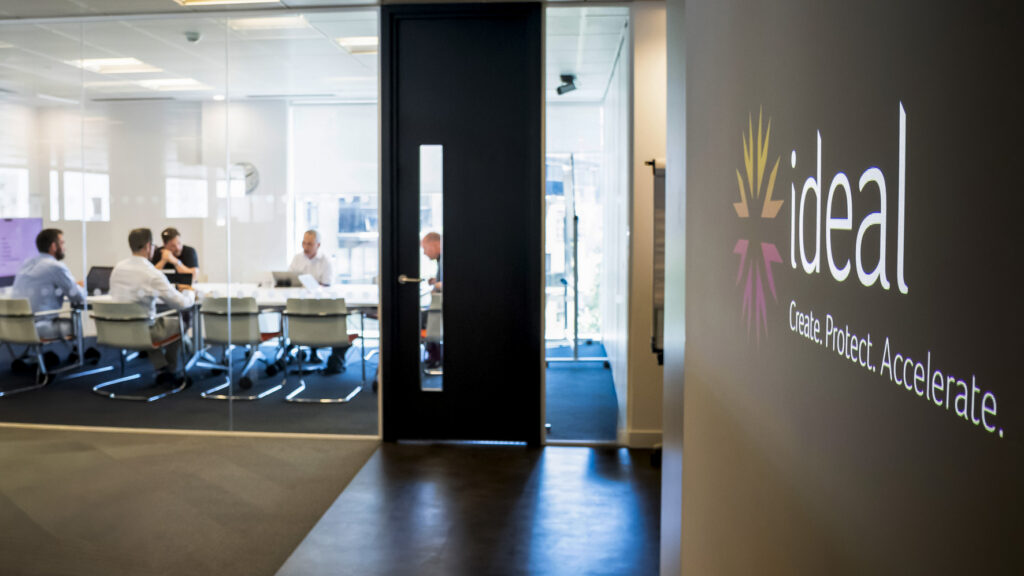
This is the kind of planning that went into a shoot I did for the technology company Ideal, working through the requirements with their team in the office before we settled on the plan for the day. The feedback afterwards reflected the importance of understanding the brief and creating images that represented the organisation and its people.
Commercial photography with a purpose
The most successful commercial photography projects come from understanding the business behind the brief, not just the brief itself. The aim is never simply to photograph an office. It’s to build a set of images that genuinely represents the organisation, the people in it and the environment they work in every day.
That takes planning, technical knowledge, flexibility on the day, and a clear understanding of how the final photographs will be used once they leave my hands. It’s the same approach I bring to every commercial photography project I take on across Brighton and Sussex: understanding the brief, solving the practical challenges on the day, and creating photographs that work for the business long after the shoot itself has finished.
Every commercial photography project starts with understanding the brief. If you’re planning a shoot and would like to talk through your ideas, get in touch and let’s discuss what your business needs from its photograph