School Website Photography in Sussex: Capturing SEN Environments
For many parents looking at SEN schools in Sussex and Brighton, the website is often the first point of contact and shapes an impression of the school long before a visit ever happens. SEN schools aren’t always the starting point. Children often arrive after struggling in mainstream environments, finding large classes overwhelming, feeling like they don’t quite fit or reaching a point where school becomes difficult to attend at all.
When parents look at the school website, they’re not just browsing – they’re trying to work out whether their child will feel comfortable there, and if the school day will be manageable rather than too much. I work as a school photographer covering Sussex, Brighton and the surrounding areas specialising in school website photography across both mainstream and SEN schools, including specialist settings such as LVS Hassocks and LVS Oxford. The schools’ priority is always how a photography session will affect the day, and whether it could unsettle the routines that keep students feeling safe and regulated.
The goal is always the same: to capture what school life actually feels like. But when you move into SEN environments, the way you work has to adapt. Not because the photography is different, but because the day, pace, and the way students engage can vary. It’s less about changing how you shoot, and more about how you fit into the environment you’re working in.
Why flexibility matters more in SEN settings
With most school photography projects, you start with a clear brief — classroom activity, portraits, wider school life, and key moments across the day. That structure still exists in SEN schools. But the plan isn’t there to be followed exactly. It’s there to give a starting point.
In SEN environments, the structure of the day already allows for movement depending on how students are feeling and engaging. That flexibility isn’t a challenge to work around — it’s part of how the environment is designed.
My role isn’t to override that. It’s to work within it. In practice, that might mean arriving at the start of an activity, checking that students are comfortable with me being there, and then working quickly so I’m not disrupting the session. Once I’ve got what I need, I can step back and let the class carry on as normal. Sometimes that means coming back later, or spreading a shoot over more than one day. Nothing is rushed
Working with pupils, not directing them
In SEN school photography, the way you work with students shapes how the day unfolds. You can’t force moments, and you don’t want anything that feels overly directed. The strongest images always come when pupils are relaxed, engaged, and involved in what they’re doing.
The school always leads on student wellbeing and readiness to take part, and that guides everything throughout the day. From there, it’s about paying attention and responding to what’s happening rather than trying to control it.
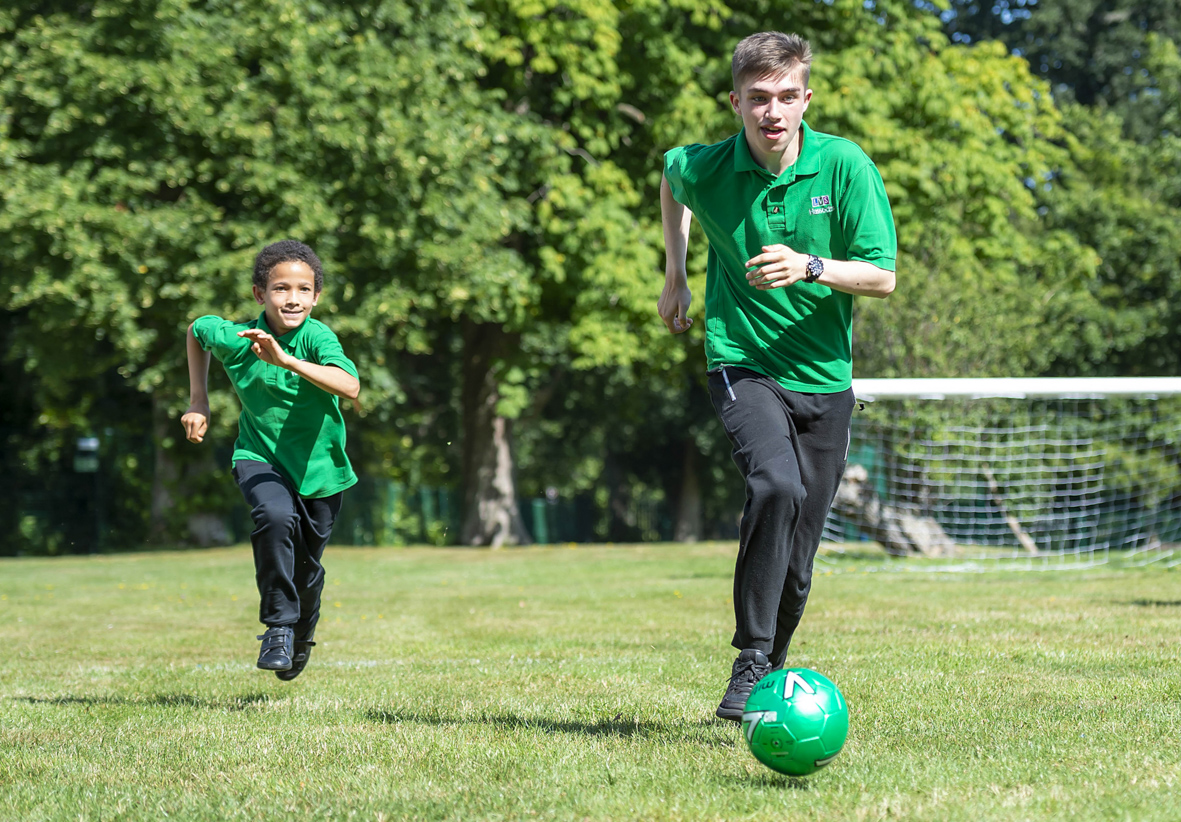
If a pupil wants to show you something, or is clearly engaged in an activity they enjoy, that’s usually where the most natural images come from. It works better to follow the moment rather than direct it elsewhere, especially in an education setting. It’s a quieter way of working, but it produces more honest, natural results.
Small practical things that make a difference
There are also some simple adjustments that become more important in SEN settings.
I tend to avoid flash anyway, but I’ll always check around light sensitivity before using it. I keep things calm and unhurried, without creating pressure or interruption. If something isn’t working, I change my approach rather than push through.
Sometimes showing someone the back of the camera helps, whether it’s a pupil or member of staff. It gives them a sense of involvement and can reset the moment in a positive way.
Individually, these are small things. Together, they make a noticeable difference to how comfortable people feel and make the shoot a fun and enjoyable experience.
What you’re actually trying to show
When you’re photographing for a school website, you’re not just documenting what a school looks like. You’re showing what it feels like to be there.
In SEN schools, that comes through in everyday moments. Parents aren’t just looking for nice images. They’re looking for a sense that their child will be understood, supported, able to settle into the school day and given space to grow at their own pace.
That’s what the photography is there to show. Calm, structured environments, staff who are present and engaged. Students working in a way that suits them. Small moments of independence and connection, which naturally happen if you give them space.
Not everything has to be purely candid
While most of the time the strongest images come from observation, there is space for more direct portraits or interactions, particularly with staff or older students. When it does work, it adds another layer to the school story, a more direct sense of personality alongside the natural, observational moments. In SEN settings, it becomes more about timing, awareness, and working in a way that fits the environment. The structure is there, but it allows movement. The school leads, and the photography works alongside that.
When that balance is right, you don’t just get images of a school. You get something that reflects what it actually feels like to be there. And that’s what makes the difference across a school website, prospectus, and wider school communications.
If you’re a school looking to update your website photography, or you’d like to talk about how I work in SEN and mainstream settings, feel free to get in touch.